Choosing the right railing material is one of those decisions that affects more than the look of your home. It also influences safety, maintenance, durability, and how well the railing fits with your staircase, balcony, porch, or outdoor space.
At Darvish Inc., railing projects are designed around real site conditions, not generic catalogue choices. Whether your home needs a clean modern finish, a warmer traditional detail, or a stronger exterior railing system, the right material should match the way your space is used every day.
1. Start With Where the Railing Will Be Installed
Before comparing materials, think about the location of the railing. Interior stair railings, exterior steps, balconies, porches, and decks all have different needs.
- Interior staircases: Focus on design flow, comfort, and matching the staircase style.
- Outdoor stairs and porches: Need weather resistant materials and strong anchoring.
- Balconies and decks: Often benefit from open views, safety, and low maintenance finishes.
- Commercial spaces: Require durability, safety, and a clean professional appearance.
If you are comparing options for a custom project, reviewing professional railing companies can help you understand which material makes the most sense for your space.
2. Railing Materials We Commonly Recommend
Wood Railings
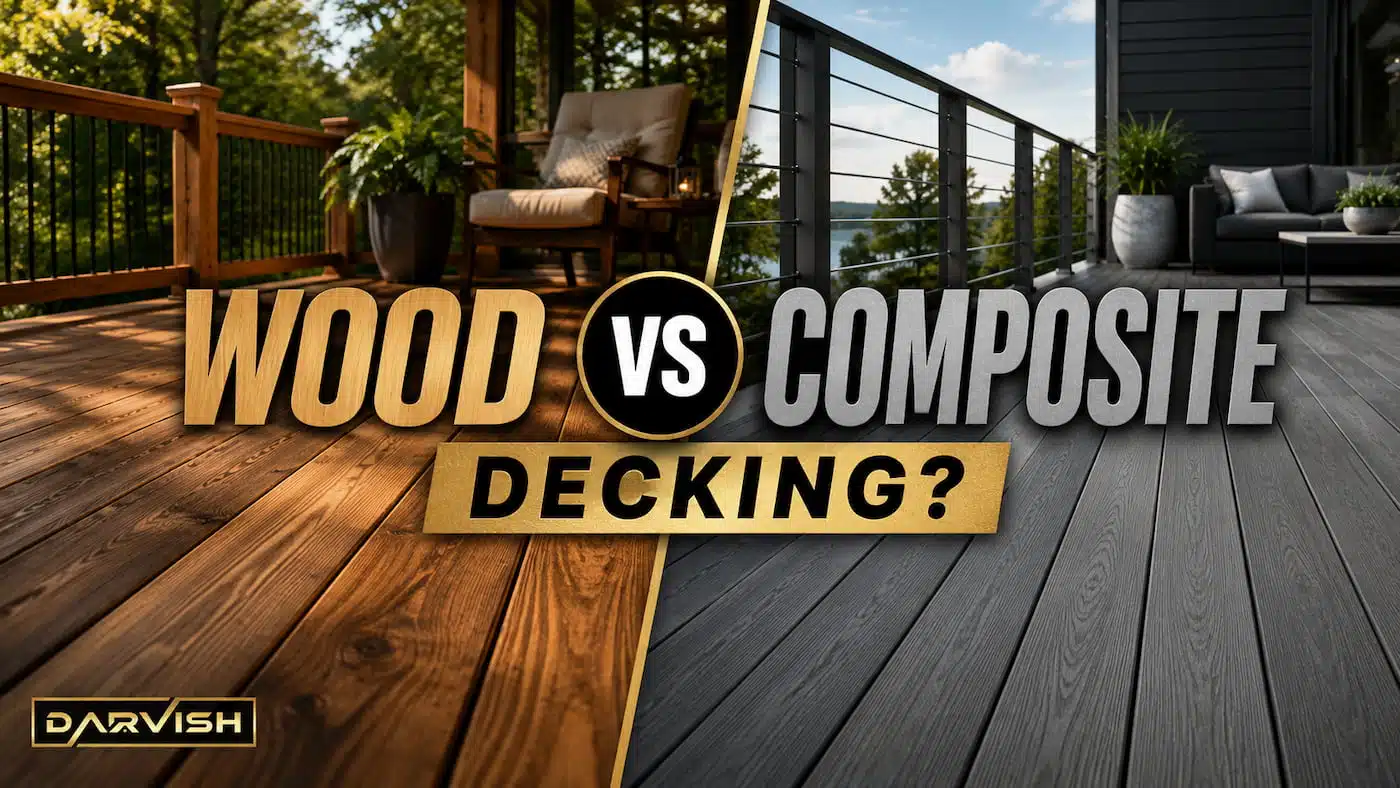
Wood railings are a strong choice for homeowners who want warmth, character, and a more traditional look. They work especially well for interior staircases where the railing needs to feel connected to flooring, trim, or existing wood details.
- Best for: Interior stairs, classic homes, warm design styles
- Pros: Natural appearance, customizable, timeless look
- Things to consider: Needs more care than metal or glass, especially in exposed areas
Metal Railings
Metal railings are one of the most versatile options because they can be designed for both modern and traditional homes. Steel, wrought iron, and aluminum each offer a different balance of strength, style, and maintenance.
- Best for: Staircases, balconies, exterior steps, porches, commercial spaces
- Pros: Strong, long lasting, secure, suitable for custom detailing
- Things to consider: Finish quality matters, especially for outdoor use
Wrought Iron Railings
Wrought iron is ideal when the goal is a more decorative or elegant railing. It can add architectural detail to staircases, front entrances, balconies, and luxury properties.
- Best for: Decorative railings, traditional homes, luxury properties
- Pros: Strong structure, custom patterns, classic appearance
- Things to consider: Outdoor applications should be properly finished to resist weather exposure
Aluminum Railings
Aluminum is a practical option for homeowners who want a clean look with lower maintenance. It is lighter than steel, resistant to rust, and works well for many exterior railing applications.
- Best for: Exterior railings, balconies, decks, modern homes
- Pros: Rust resistant, lightweight, low maintenance
- Things to consider: May not offer the same heavy structural feel as steel or wrought iron
Glass Railings
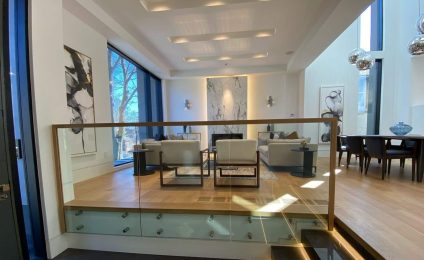
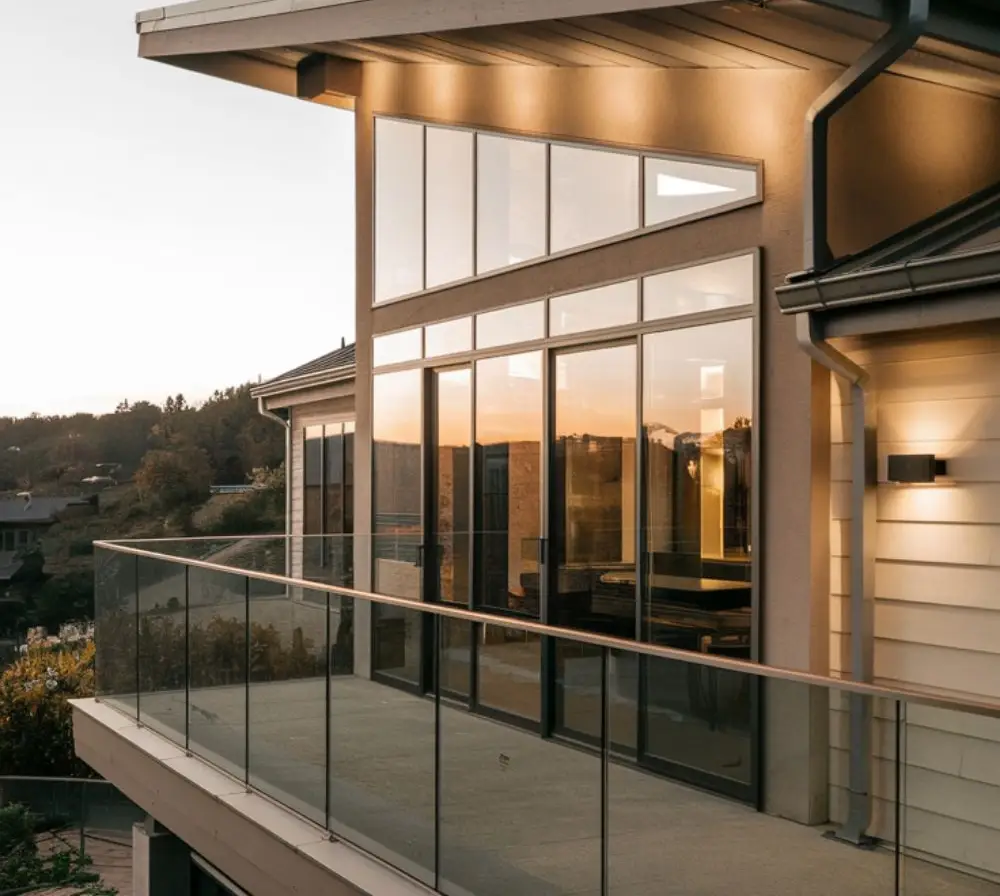
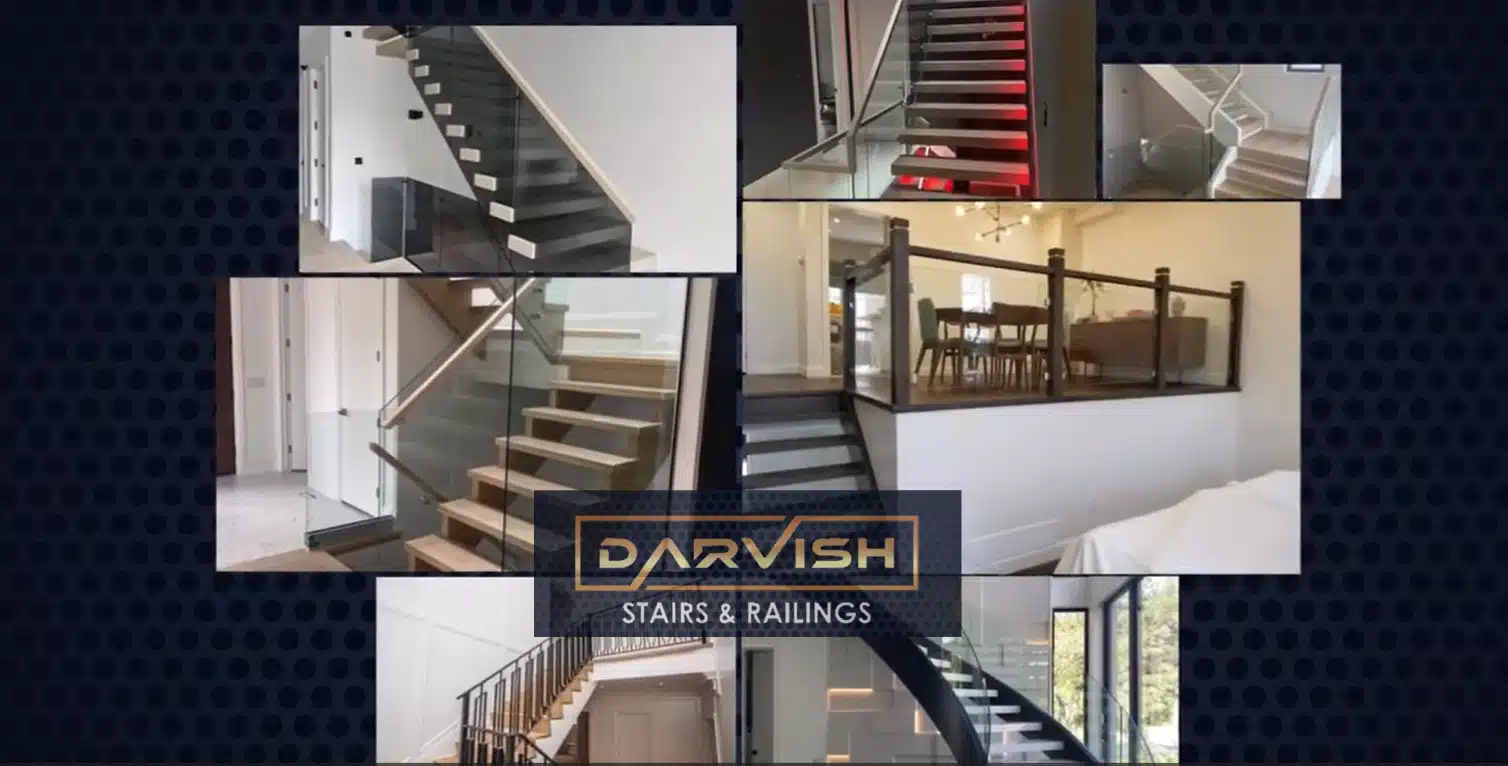
Glass railings are popular for homeowners who want an open, bright, and modern look. They are often used for staircases, balconies, and areas where keeping the view open matters.
- Best for: Modern staircases, balconies, open concept interiors, view focused spaces
- Pros: Clean appearance, open sightlines, modern finish
- Things to consider: Requires regular cleaning to maintain a clear look
For homeowners who want a cleaner and more modern railing system, glass railings can be a strong option for both style and visibility.
3. How to Match the Material to Your Home Style
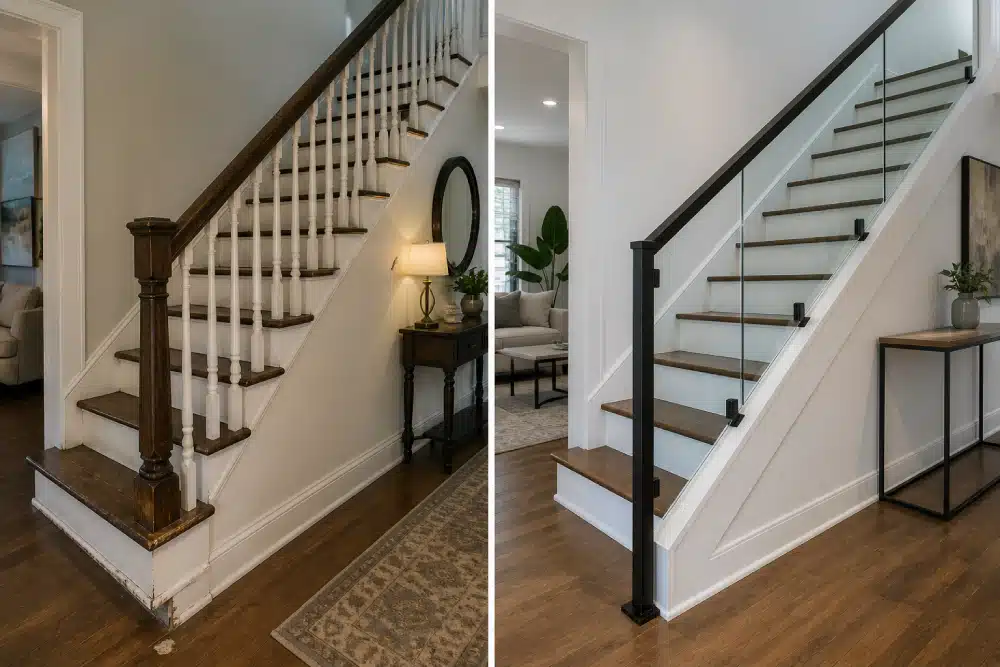
The best railing material should feel like it belongs to the home, not like an afterthought. A modern property may look better with glass, aluminum, or simple metal lines. A traditional home may suit wood or wrought iron. A transitional home can often combine materials, such as wood with metal or glass with metal posts.
- Modern homes: Glass, aluminum, and simple metal designs
- Traditional homes: Wood, wrought iron, or decorative metal
- Luxury properties: Custom wrought iron, glass, or mixed material railings
- Outdoor spaces: Aluminum, steel, glass, or properly finished metal systems
4. Think About Maintenance Before Choosing
Maintenance is often overlooked during the design stage. Wood can look beautiful, but it may need more upkeep. Glass looks elegant, but it needs cleaning. Metal and aluminum can be easier to maintain, especially when finished properly.
If your railing is outside, durability becomes even more important. Outdoor railings need to handle moisture, temperature changes, and regular use without becoming loose, unsafe, or visually worn too quickly.
5. Safety and Installation Matter as Much as Material
Even the best railing material will not perform well if it is poorly installed. Height, spacing, anchoring, post placement, and structural strength all matter. This is especially important for stair railings, balconies, porches, and commercial spaces.
For stair projects, professional stair railings should be designed with both safety and the overall staircase style in mind.
6. Which Railing Material Is Best?
There is no single best railing material for every home. The right choice depends on your space, design goals, maintenance expectations, and whether the railing is indoors or outdoors.
- Choose wood if you want warmth and a classic interior look.
- Choose metal if you want strength, durability, and design flexibility.
- Choose wrought iron if you want decorative detail and timeless character.
- Choose aluminum if you want a lighter, low maintenance exterior option.
- Choose glass if you want open views, brightness, and a modern finish.
Conclusion
Choosing the right railing material is about balancing beauty, safety, durability, and daily use. Wood, metal, wrought iron, aluminum, and glass can all be excellent choices when they are matched properly to the home and installed with care.
The best approach is to start with your space, then choose the material that supports both the look and function you need. With a custom railing project, small details make a big difference, from the finish and layout to the way the railing connects with the rest of your home.
Frequently Asked Questions
What is the best railing material for a modern home?
Glass, aluminum, and simple metal railings are often strong choices for modern homes because they create a clean and open look.
Are wood railings still a good option?
Yes. Wood railings are still a good option for interior staircases and homes with a warmer or more traditional design style.
Are metal railings good for outdoor use?
Yes. Metal railings can work very well outdoors when they are properly finished and installed for weather exposure.
Do glass railings require a lot of maintenance?
Glass railings do not usually require complex maintenance, but they do need regular cleaning to keep the panels clear.
Should I choose a custom railing instead of a standard railing?
A custom railing is usually the better choice when you want the railing to fit your staircase, balcony, porch, or home design properly.