

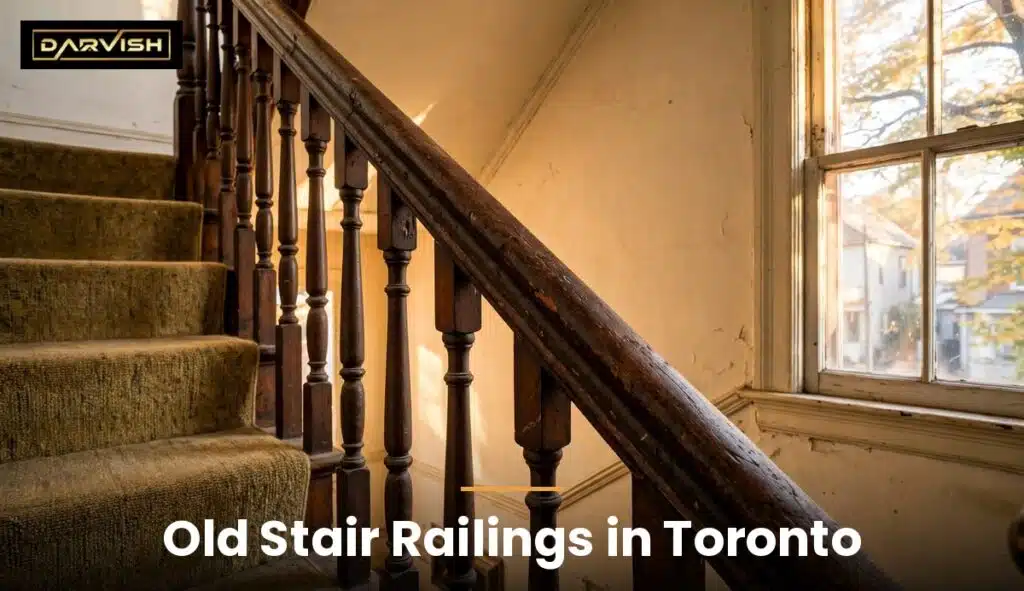
Yes, old railings can be hazardous. If your home still has an old stair railing that predates current safety standards, you may be exposing your family to serious risks without realising it. Staircases are central to everyday movement, but they are also one of the most common sites of household injuries, and a railing that was acceptable decades ago may not protect your family today.
Modern code compliant railings reduce the possibility of falls and injuries and align with the latest structural safety expectations across Toronto, Richmond Hill, North York, Oakville, Markham and Vaughan. An old stair railing that has served for decades can still look solid while failing the rules that matter most, which is why a careful look at what you already have is the right first step before any renovation decision.
In short: outdated railings are not safe railings. Upgrade them before they become a liability — and before a home inspection or a sale puts the problem in front of a buyer.
Why Railings Matter More Than You Think
Staircases are central to everyday home movement, but they are also one of the most common sites of household injuries, which is why stair railing safety deserves more attention than it usually gets. According to building safety reports, improper railing height, inadequate baluster spacing, and weak mounting have been linked to a high percentage of falls involving children and seniors, the two groups least able to catch themselves on a stair.
If your existing system is original to your home, especially in older neighbourhoods, it likely does not meet today’s codes. That is where modern, code-compliant stair systems show their real value: they are built to the rules that apply now, not the ones that applied when the house was built.
There is also a practical reason to act before a problem forces your hand. A home inspection before a sale almost always includes the stairs, and a railing that fails the current rules can delay a closing or become a bargaining point for the buyer. Dealing with it on your own schedule, with a contractor you choose, is almost always cheaper and less stressful than dealing with it under a deadline set by someone else.
Old Stair Railing Risks: What Can Go Wrong
Old stair railings were often built to past standards, or to no formal standard at all. The risks below are the ones inspectors and contractors see most often in Toronto-area homes, and each of them is a reason to look closely at what your stairs are actually offering in the way of protection.
1. Incorrect Height
Railings may be too low to provide support, especially for adults assisting children or older adults. A handrail that sits below the expected height gives a person nothing solid to grip when they lose their balance, and on a steep flight that missing support can turn a stumble into a fall.
2. Wide Baluster Spacing
Older rail systems often have gaps that exceed modern safety limits, creating fall or entrapment hazards for children. The current rule is simple in principle: openings must be small enough that a child cannot slip through or get stuck, and many older railings fail that test by a wide margin.
3. Weak Structural Fastening
Over time, wood, metal, and even older metal railings can loosen or warp, reducing load resistance and stability. A railing that wobbles when you lean on it is telling you that its fasteners, brackets or newel posts have worked loose, and a wobbling railing cannot be relied on in the moment someone actually needs it.
4. Outdated Materials
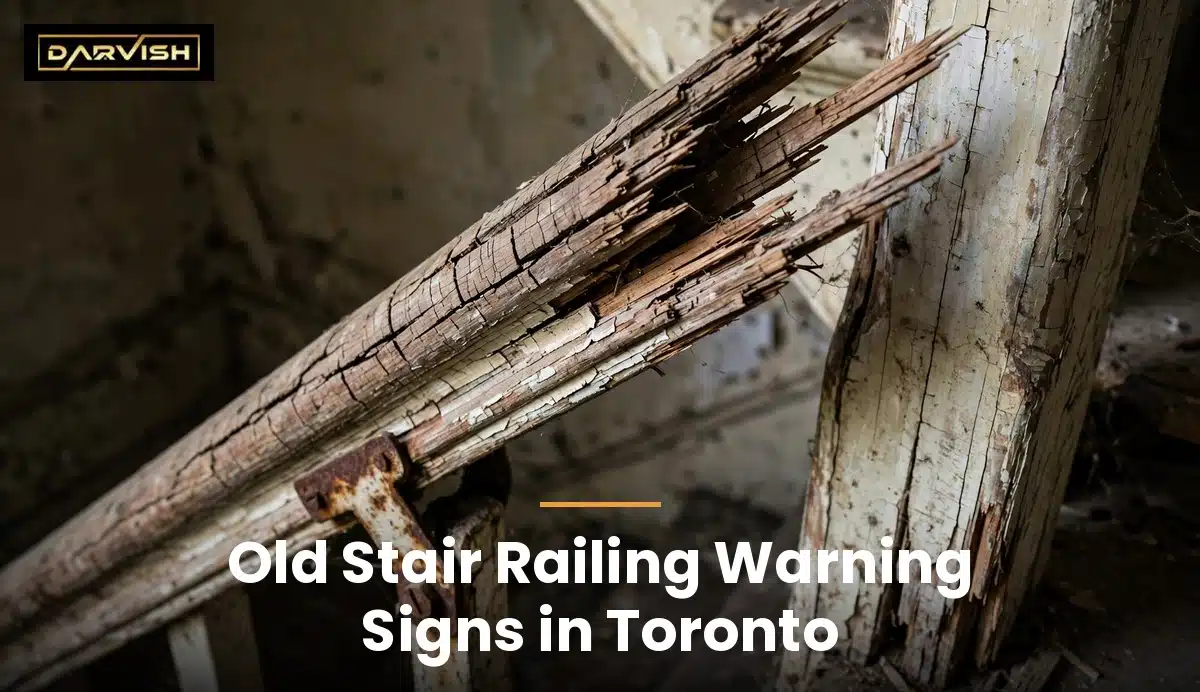
Certain older metals can corrode, and older wood may splinter or degrade, creating both safety and maintenance concerns. Outdated railings often combine more than one of these problems at once: a corroded bracket, a splintered handrail and a loose newel post on the same flight.
These are not theoretical issues — they are real safety concerns backed by decades of building safety research. An old stair railing rarely fails all at once; it weakens gradually, and the danger is that a family keeps trusting it long after it has stopped being able to do its job.
Old vs Code Compliant Railings: Safety Comparison
Here is a quick comparison to understand why upgrading your railings matters, and what changes when a system is built to the current rules rather than the rules of thirty years ago.
| Feature | Old Railings | New Code-Compliant Systems |
|---|---|---|
| Safety Level | Higher risk of falls | Designed for fall prevention |
| Railing Height | Often below standard | Meets current code requirements |
| Baluster Spacing | Too wide, unsafe for children | Child-safe spacing limits |
| Structural Strength | Weakened over time | Engineered for load resistance |
| Long-Term Reliability | Declines with age | Built for long-term performance |
While an old stair railing may still look acceptable, it often fails to meet modern safety standards. Upgrading to code compliant railings ensures your home is safer, more durable, and aligned with current building requirements.
What Does “Code-Compliant” Really Mean Today?
Modern stair railing codes are designed around three principles, and every compliant system in Ontario is judged against the same three tests.
- Fall Prevention: Railings must be tall and strong enough to prevent falls.
- Safe Openings: Spacing between balusters or panels cannot allow small heads or bodies to slip through.
- Structural Integrity: Railings must withstand specific lateral forces without deflection or failure.
Current provincial standards, which apply to stairs and railings toronto, have incorporated revised requirements for residential railings that explicitly address these concerns, and they now describe in detail how code compliant stair systems should perform.
The current Ontario Building Code sets out the specific rules for stair dimensions, guard heights, and handrail design that apply to any renovation or new build in Ontario, and it is worth reviewing before finalising a design so there are no surprises at inspection or during a resale home inspection later on. Municipal building departments across the GTA enforce these same provincial rules, though permit timelines and inspection scheduling can vary slightly from one city to the next.
For example, a compliant system is checked against:
- Minimum railing height standards
- Maximum baluster spacing
- Load resistance thresholds
These are regularly updated based on real injury data and international best practices, so a system that passed inspection twenty years ago is not automatically compliant today.
Modern Solutions That Keep Families Safer
Today’s compliant railings are not just safer — they are also more customisable and visually appealing than ever, which means a safety upgrade no longer has to look like a compromise.
Custom Staircase and Railing Designs
Modern systems allow homeowners to blend safety with design. Whether you want sleek custom glass railing systems or classic interior railing options, new systems can match your style and code requirements.
Material Options
- Wood Stair Railings: classic look with updated strength
- Iron Railings: timeless durability
- Glass: great for visibility and light
- Outdoor railings: weather rated safety on balconies and exterior stairs
These options are engineered so that code compliant stair systems fit the home without compromising aesthetics, and glass railings are the lightest partner for a stair that needs to stay open and bright, because they do not hide the structure behind pickets.
How to Tell If Your Old Stair Railing Is Unsafe
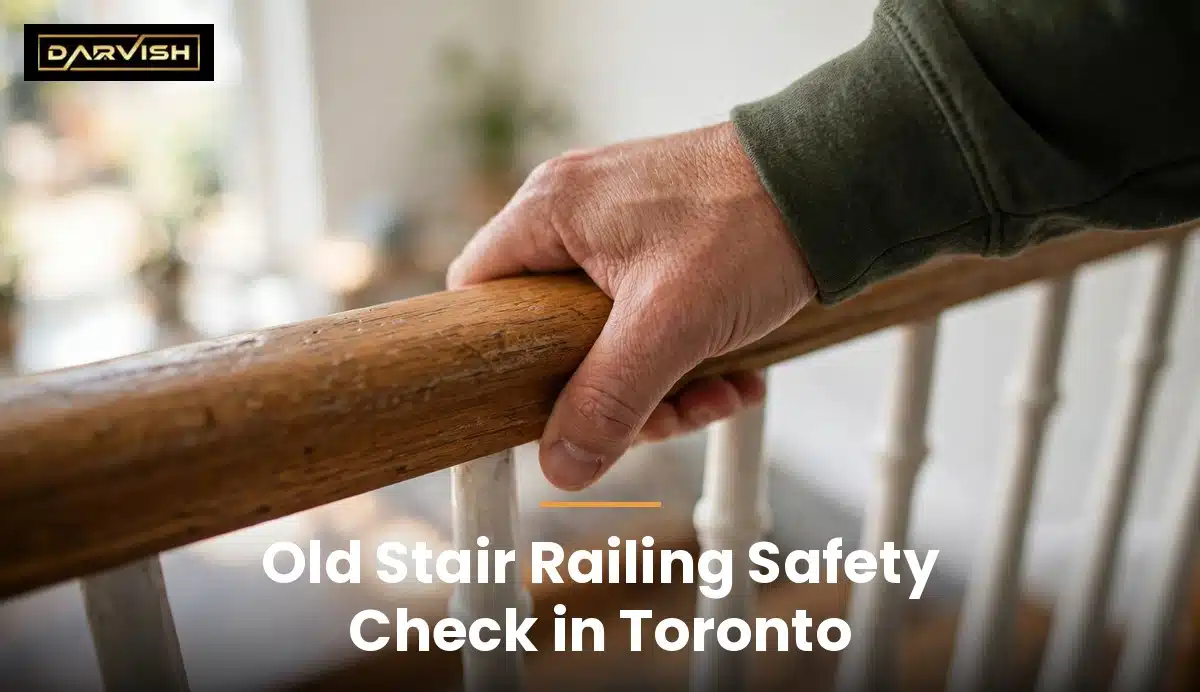
A basic stair railing safety check takes only a few minutes, and it is worth doing before you call anyone. Walk the flight slowly, test every part with your hands, and look for the warning signs below — a railing that passes all of them is probably in reasonable shape, while one that fails two or more should be looked at by a professional.
- Grip the handrail firmly and push sideways: any movement means the fasteners are working loose.
- Look along the balusters: gaps wide enough for a small child to slip through are a fail.
- Check the newel posts at the top and bottom: they should not rock or twist.
- Look for rust on metal parts and splinters, cracks or soft spots on wood.
- Stand at the top of the stairs and lean on the guard: it should feel solid, not springy.
Outdated railings often hide their worst problems where you cannot see them — inside a wall connection, under a carpeted tread, or behind a coat of paint that covers rust or rot. If your home is more than thirty years old and the railings are original, assume they need a professional look even if they feel firm.
Professional Installation Matters
Even the best code-compliant materials will not deliver safety if installed incorrectly. That is why it is critical to choose proven professionals such as experienced stairs companies near you or a trusted stairs contractor Toronto.
Quality installation ensures:
- Proper anchoring and load support
- Accurate height and spacing per code
- Long term performance with minimal maintenance
- Safe transitions between interior and exterior stairs
Modern stair systems are not DIY projects. Improper installation can negate even the best compliance designs, and a railing that looks right but is anchored wrong is more dangerous than one that obviously needs work, because nobody treats it with caution.
Before you hire anyone, ask how they anchor newel posts, what fasteners they use, and whether they will walk you through the finished work against the code. A contractor who can answer those questions plainly is usually one who does the work properly, and one who cannot answer them is a sign to keep looking. Get the scope in writing — what is being replaced, what materials are included, and who arranges any permit or inspection — so there are no surprises once the old railing is already off the wall.
Local Considerations for Toronto Area Homes
Homes in regions like Toronto, Richmond Hill, North York, Oakville, Markham, and Vaughan often have unique architectural styles that affect stair design. Whether you have a century old home or a modern build, local building officials increasingly enforce updated standards during renovations or inspections — and an old stair railing in a century home is the most common thing they flag.
Here is how local conditions affect risk:
- Older neighbourhoods → legacy railings with non-compliant features
- Newer builds → higher standards but still potential design gaps
- Multi family units → stricter communal safety requirements
Working with a local expert means your system is both code ready and matched to your specific architecture, and stair railing safety is checked against the same provincial rules everywhere in the GTA, from a downtown Toronto semi to a new build in Vaughan.
When Is It Time to Upgrade? (Signs You Shouldn’t Ignore)
You should consider new, compliant railings if you notice any of the following, because an old stair railing that is loose, corroded or widely spaced is not a cosmetic problem — it is a safety problem that gets worse the longer it is left.
- Loose or unstable railings
- Wide gaps between balusters
- Visible wear or corrosion
- Planned home renovations
- Preparing your home for resale
These signs are not superficial — they point directly to safety hazards that outdated railings carry and modern systems are designed to eliminate.
What Happens During a Code-Compliant Replacement
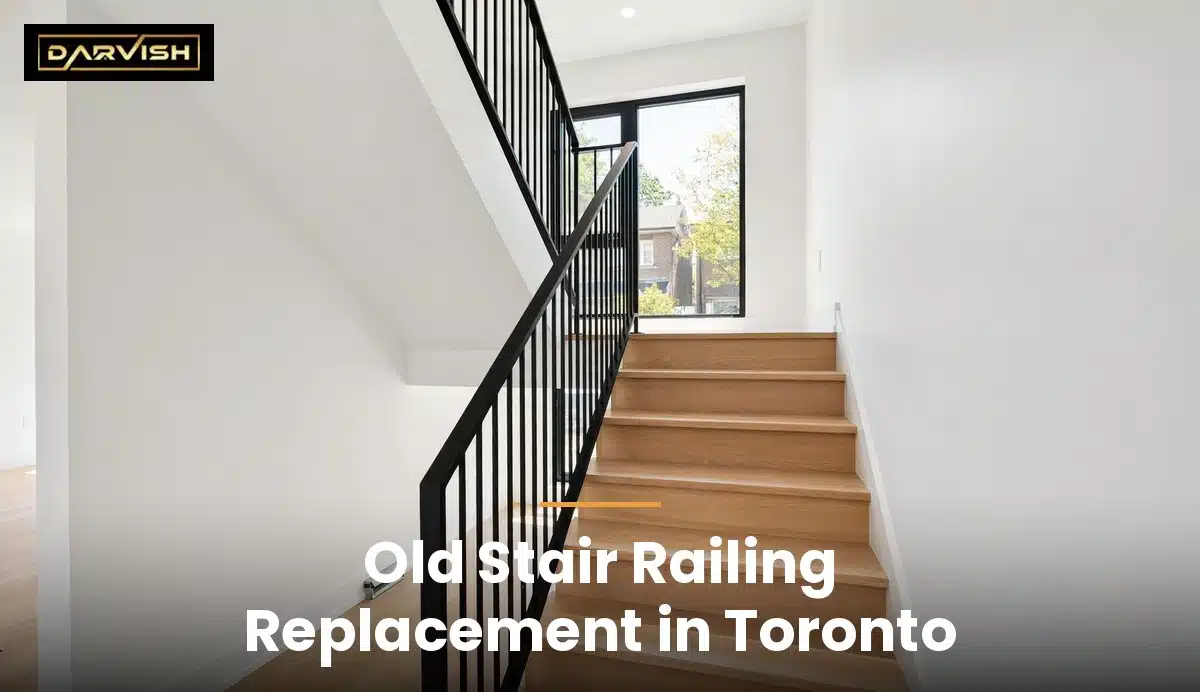
Replacing an old stair railing starts with a site visit, where a contractor measures the flight, checks the framing the railing anchors to, and confirms which code rules apply to your staircase. Each set of code compliant stair systems is measured and fabricated for its own stairwell, so no two replacements are exactly alike, even in two homes on the same street.
The old railing is then removed carefully so the stairs, walls and flooring around it are not damaged, and the new code compliant railings are fabricated in the shop, finished to match the home, and installed with proper anchoring at every newel post and bracket.
A final walkthrough checks height, spacing and stability against the code before the job is signed off, and a good contractor will show you exactly what was checked so you know what you are paying for. If permits or inspections apply to your renovation, your contractor should confirm who arranges them before work starts.
Once the new railing is in, a little upkeep goes a long way. Wipe down metal parts now and then, check fasteners once a year, and refinish wood before the finish wears through to bare timber. Small habits like these keep a new system performing the way it was designed to, and they make the next inspection a formality rather than a surprise.
Final Take: Risk Is Real, Safety Should Be First
Old stair railings are more than an aesthetic concern: they represent real, measurable risk to your family’s well being. New code compliant railings are designed specifically to limit those risks through better engineering, stricter spacing and height standards, stronger anchoring, and tested materials, and new code compliant stair systems make stair railing safety part of the design from the start rather than an afterthought.
Whether you are considering Custom Staircases, updated indoor railings, or a design refresh with glass panels and durable wood or iron elements, prioritising compliance over cosmetics is the smarter, safer renovation decision — and replacing an old stair railing is usually the single most effective safety upgrade a Toronto home can get.
Upgrade Your Railings with Confidence
If you are ready to eliminate risk and elevate both safety and design in your home, it is time to take action.
Contact Darvish Inc. today for a professional consultation on stair railing replacement and code-compliant installation. From design through installation, our experts ensure your code compliant stair systems meet the newest safety standards while delivering the style and functionality your family deserves — and you can browse Darvish Inc on Google to see examples of completed work before booking a consultation.
We also provide integrated solutions for a cohesive, modern home upgrade.
Contact Darvish Inc. today to schedule your professional stair railing assessment.
Frequently Asked Questions
▾How do I know if my railing is unsafe?
Start with the checks in the inspection section above: push the handrail sideways, look for wide baluster gaps, rock the newel posts, and look for rust, splinters or soft spots. Outdated railings usually show more than one warning sign at once, and if two or more checks fail, have a professional look at the staircase before anyone leans on it again.
▾What is the minimum handrail height in Ontario?
Typical values in the provincial code (O. Reg. 163/24) put handrails 865–965 mm above the stair nosing, and guard openings must not let a 100 mm sphere pass through. Exact requirements depend on the stair type and location, so a contractor should confirm the figures that apply to your staircase during the site visit.
▾How much does a railing replacement cost in Toronto?
Costs vary widely with material, height, guard type and site conditions, and most projects in this style sit above a basic repair and below a full staircase rebuild. A site visit is the most accurate way to price stair railing safety work for your home, since small differences in the stairwell can change the fabrication significantly.
▾Can I keep my staircase and replace only the railing?
Often, yes. Replacing only the railing is one of the most common upgrades in Toronto homes, because the staircase structure itself is usually sound even when the railing is not. A contractor will check that the treads, stringers and framing can anchor a new railing properly before confirming that a railing-only replacement is the right call.
▾How long does a railing replacement take?
Timing depends on the size of the staircase, the materials chosen and whether any structural work is needed. Straightforward replacements are usually measured, fabricated and installed within a short project window, and your contractor should confirm the schedule before work starts so you know what to expect.