Investing in a new staircase railing is more than just choosing a style you like. It is a decision that influences safety, design, resale value, and everyday living comfort — and the first thing to decide is what a staircase railing must do for your home, not just how it looks. A railing is often the first thing guests see when they enter your home, and it can either elevate your interior or create a dated, unsafe look. A railing you love on day one can become a regret by year two if the material or the installer was wrong. Whether you live in Toronto, Richmond Hill, North York, Oakville, Markham, or Vaughan, understanding the key factors before starting your project will save you time, money, and stress. This guide covers the six things every buyer should know before ordering stairs and railings Toronto — from building codes and materials to design, installation, budget, and choosing the right contractor.
1. Local Building Codes Matter More Than You Think
Every municipality in the GTA follows the Ontario Building Code, which sets rules for railing height, spacing between balusters, handrail grip size, and load bearing strength. The first question is how high are stair railings: a staircase railing must be at least 36 inches high in Toronto and Vaughan, and the ontario building code for stairs and railings sets that minimum for guards on stairs. Baluster spacing cannot exceed 4 inches to ensure child safety. Commercial projects in Richmond Hill may require stronger load ratings than residential ones. What happens if you ignore codes? You risk failed inspections, costly modifications, and even safety hazards. Some homeowners have had to rip out newly installed railings simply because the spacing or height did not comply. The ontario building code for stairs and railings is not a suggestion — it is the standard your installer must meet, and a good contractor checks every measurement against it before ordering any material.
How High Should a Railing Be?
The short answer to how high are stair railings is 36 inches for a stair railing in Ontario, measured from the stair nosing to the top of the handrail. Guard heights on landings and balconies are higher, and the exact number depends on where the railing sits and how far a person could fall. Your contractor should confirm the height for your exact staircase before anything is ordered, because a railing that is an inch too short is a failed inspection, not a small mistake.
Tip: Work with a contractor who not only knows the codes but also handles the permit process for you, ensuring peace of mind from start to finish.
Permits differ by city: Toronto, Richmond Hill, Markham and Vaughan each have their own application process, fees and inspection timing, and a contractor who works across the GTA knows which office to call first. If your project changes the structure — a new staircase, a moved landing, a removed wall — expect a permit and an inspection. If it is a like-for-like replacement, the work still has to meet the code, even when no permit is needed. Ask your contractor which case yours is before you sign anything.
An inspection is not a formality: the inspector measures the height, tests the strength and checks the spacing, and a failed inspection means the work is redone at your cost if the contract does not say otherwise. Make sure your contract states who pays for a re-inspection and who fixes a failed item. That single clause has saved many homeowners a second bill.
2. Staircase Railing Materials: Cost, Safety, and Maintenance
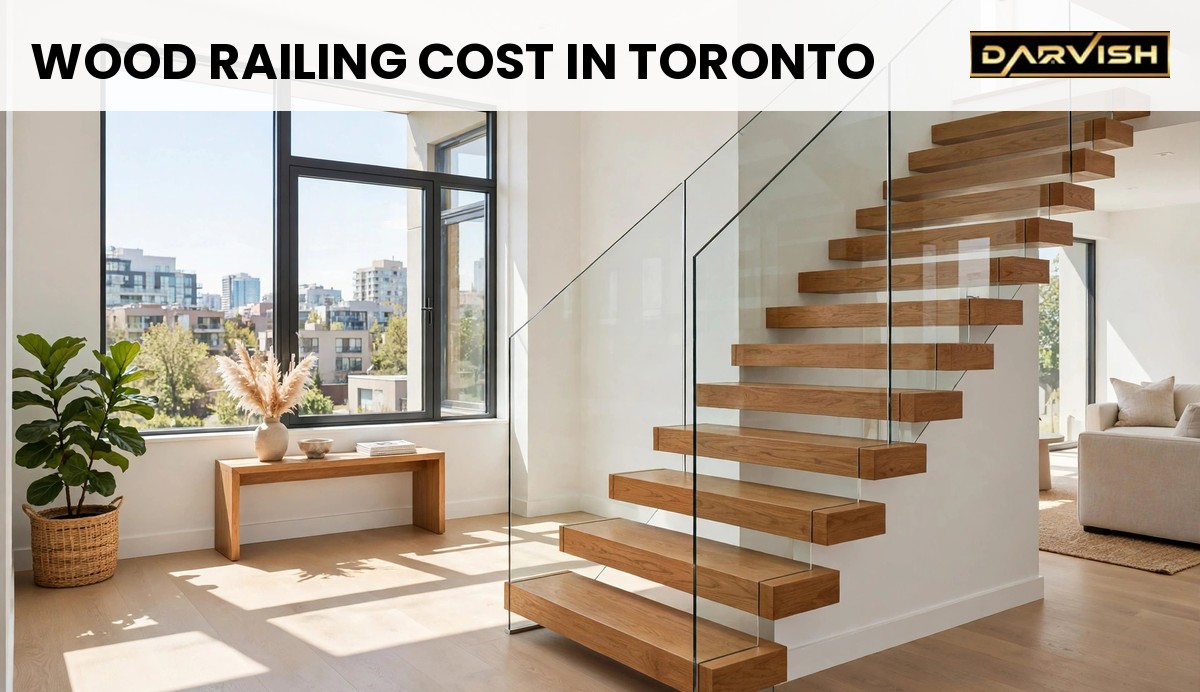
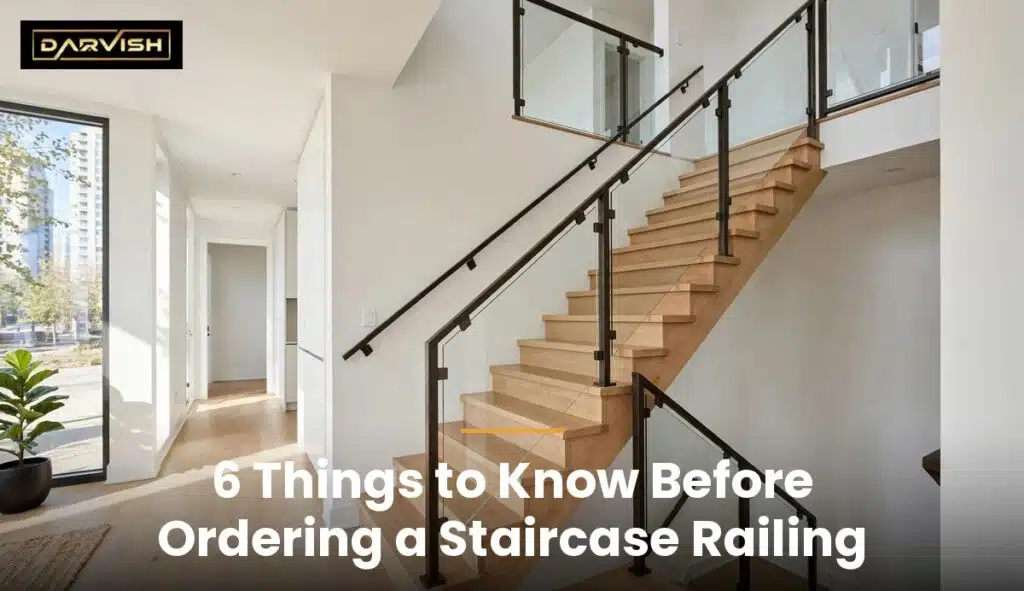
Choosing the right material is more than a design preference — it affects durability, safety, and lifetime costs, and it is the second decision every staircase railing buyer makes. Wood railings are warm, classic, and versatile: woods like oak, maple, or walnut suit traditional homes in Markham or Richmond Hill, but they require regular refinishing to prevent wear and tear. Metal railings are popular in Toronto condos and Vaughan modern homes: they are sleek, extremely durable, and low maintenance, and powder coated finishes resist rust, making them perfect for indoor and outdoor use. For condos and modern homes, metal railings are the low-maintenance choice. Glass railings are a trending choice in Oakville for contemporary homes: they create an open, airy atmosphere but require regular cleaning, and tempered safety glass is essential for durability and compliance. Hybrid designs are also common: many North York homeowners combine materials like wood handrails with glass panels for the best of both worlds. Pairing glass railings with wood stair railings is a popular way to keep the warmth of a traditional staircase while gaining the openness of glass.
| Material | Cost level | Maintenance | Best for |
|---|---|---|---|
| Wood | Mid-range | Regular refinishing | Traditional homes, warm interiors |
| Metal | Mid-range to Premium | Low, rust resistant | Condos, modern homes, outdoors |
| Glass | Premium | Regular cleaning | Contemporary homes, open views |
| Hybrid (wood + glass) | Premium | Moderate | Warmth with openness |
Tip: When budgeting, do not just compare upfront costs. Ask about long term maintenance and durability under the GTA’s changing climate.
The table above is a starting point, not a quote: the same wood can cost very different amounts depending on the species, the finish and the complexity of the staircase, and the same glass can vary with thickness, tint and hardware. Ask each contractor to break the price down by material, labour and hardware, so you compare the same things. A quote that lists only a single total tells you nothing about where the money goes.
Climate matters in the GTA: freeze-thaw winters, road salt tracked indoors and summer humidity all wear on a railing, and the material you choose should handle all three. Wood needs refinishing, metal needs a coating that resists rust, and glass needs cleaning — none of them is maintenance-free, and the honest question is which maintenance you are willing to do.
3. Design Should Reflect Your Home’s Architecture
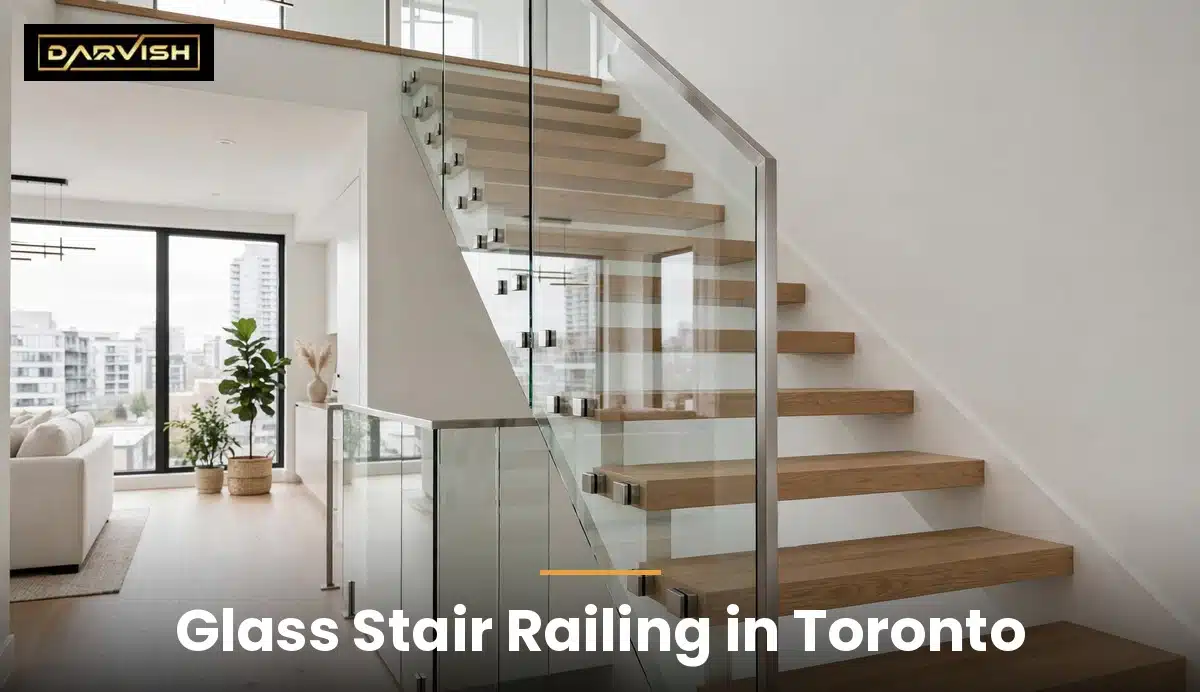
Your railing is not just a safety feature — it is a statement piece, and the wrong design can clash with your home’s character. A staircase railing should follow the architecture it sits in, not fight it. Straight, minimalist railings complement Toronto lofts or condos. Curved or spiral designs add elegance to luxury homes in Richmond Hill or Vaughan. Ornate wrought iron railings match well with traditional Oakville estates. Glass and steel combinations create a modern, upscale look for new builds in Markham. Darvish Inc also builds custom staircases to match the railing, so the staircase and the railing are designed as one piece rather than two. For stairs and railings Toronto homeowners, the design decision is also a resale decision: a railing that suits the home lifts the whole interior, while one that clashes with it is the first thing a buyer notices. Darvish Inc offers custom design consultations where homeowners can see digital previews before installation. This prevents “buyer’s regret” and ensures harmony with flooring, paint colors, and architectural lines.
Tip: Bring photos of your space and inspiration images. The more details you provide upfront, the smoother the design process will be.
Measure twice, order once: a railing that is ordered from a rough guess almost always comes back wrong, and custom fabrication cannot be returned. The measurements that matter are the stair width, the slope, the landing size and the ceiling height above the stairs. Bring those numbers — and photos from three angles — to your first consultation, and the design conversation becomes concrete instead of guesswork.
Light changes everything: a railing that looks perfect in a showroom can look heavy in a dark hallway, and a glass panel that looks invisible in daylight can show every fingerprint under evening light. Visit a finished installation if you can, or ask for photos of the same material in a home like yours.
4. Installation May Reveal Hidden Challenges
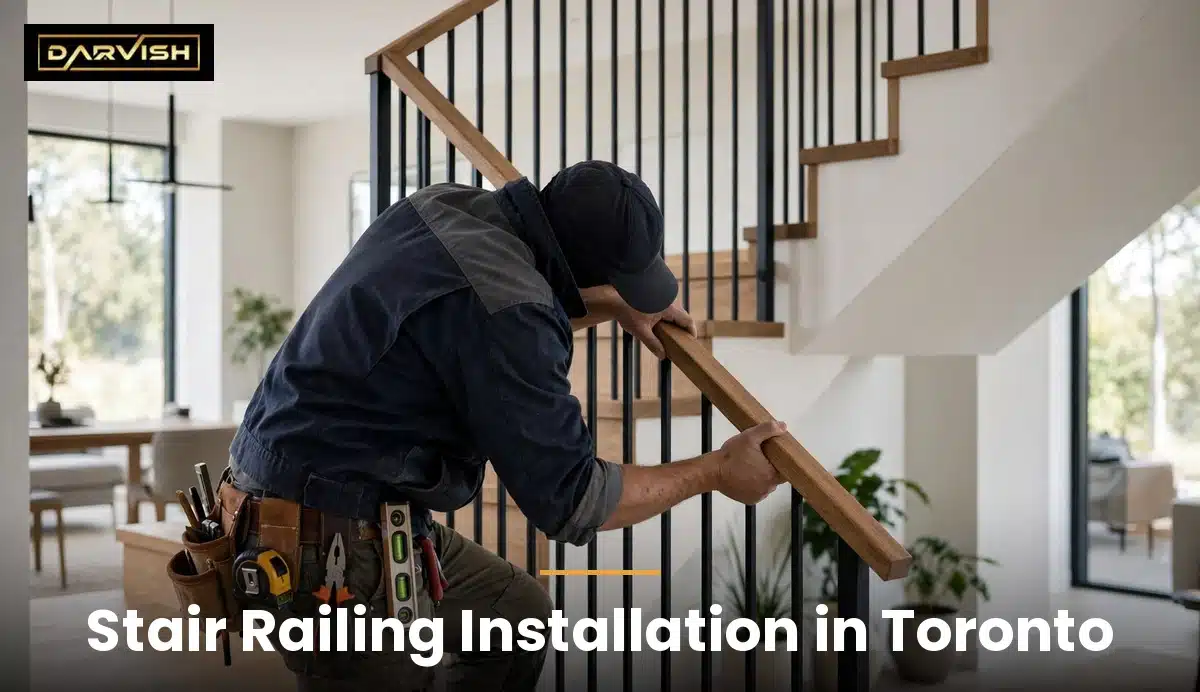
Even the most straightforward projects can present surprises once installation begins, and a staircase railing is no exception — the existing staircase decides how simple the job is. Older homes in North York often hide structural weaknesses that require reinforcements before installing new railings. Tight stairwells in Toronto condos may demand custom fabrication to ensure proper fit. Complex angles in Vaughan homes, especially open concepts or multiple staircases, require extra labor for precise alignment. Demolition costs are another surprise: removing outdated or unsafe railings can add disposal fees you did not plan for. Every one of these challenges must still meet the ontario building code for stairs and railings, so the installer checks heights, spacing and strength at each step rather than at the end.
Tip: Ask your contractor if they provide site inspections before quoting. A walk through helps identify potential problems early and avoids mid project budget spikes.
A typical installation takes one to three days for a straight staircase and longer for curved or multi-flight designs, but the timeline depends on fabrication: custom pieces are made to order, and a busy season can add weeks before the work even starts. Ask your contractor for two dates — when fabrication begins and when installation happens — so you know what you are waiting for.
5. Budget for More Than Just the Basics
Many homeowners focus only on materials and labor, but a well rounded budget must also include the costs a staircase railing project hides until later. Permits and inspection fees vary between Toronto, Richmond Hill, and Markham. Design revisions cost extra: changes mid project, like switching from wood to glass, add up quickly. Unexpected repairs are common: old staircases may need reinforcement, especially in homes built 30+ years ago. Finishes and accessories — handrail caps, brackets, or custom staining — can add up quickly too. A smart rule of thumb is to set aside 10–15% of your budget for contingencies. This cushion ensures your project continues smoothly, even when surprises arise.
Tip: Request a detailed itemized estimate from your contractor. Transparency prevents hidden costs later.
Get at least three written quotes, and make sure each one lists the same scope: the same material, the same hardware, the same demolition and disposal, and the same permit handling. A quote that leaves out demolition looks cheaper until the old railing has to come down. A quote that leaves out the permit looks cheaper until the inspection fails. The cheapest quote is rarely the cheapest project.
6. Choosing the Right Contractor Is the Most Important Decision
Your railing project is only as good as the people behind it, and a staircase railing installed badly is worse than no railing at all. Choosing the wrong contractor can lead to unsafe installations, poor craftsmanship, and unexpected costs. If you are searching for a stair railing near me, look for four things. Experience and portfolio: Darvish Inc, for example, has completed hundreds of projects across Toronto and the GTA. Reviews and testimonials: positive customer feedback is a strong indicator of quality. Transparency in pricing: no vague quotes — ask for clear breakdowns. After service support: warranties and follow up services matter. A stair railing near me search should end with a contractor who inspects your staircase in person, quotes in writing, and stands behind the work. A proper stair railing installation starts with a site inspection, not with a quote over the phone. For stairs and railings Toronto homeowners, the contractor decision is the one that protects every other decision in this guide.
Tip: Do not just compare prices — compare value. The cheapest option often results in expensive fixes down the line.
Watch for red flags: a contractor who quotes without visiting, who asks for full payment upfront, who cannot show photos of finished work, or who cannot name the code requirements for your staircase. Any one of those is a reason to keep looking. A good contractor welcomes questions, explains the code in plain language, and puts the warranty in writing.
Extra Tips Buyers Shouldn’t Overlook
Timing matters: spring and summer are busy seasons in the GTA, so book early to avoid delays. Think long term: consider how railings will look with future renovations, for example flooring changes. Safety first: families with children or seniors should prioritize slip resistant handrails and proper spacing — and the question of how high are stair railings matters most for them, because a railing that is too low is a real hazard for a child or an older person. Financing options: companies like Darvish Inc offer financing up to $100K, making premium designs more accessible. If you are still comparing a stair railing near me, ask each contractor about timing, warranty and financing in the same conversation, so you compare like with like. Keep a copy of every quote, permit and warranty in one folder, and photograph the finished railing the day it is installed — the photos are useful if a warranty question ever comes up.
Final Thoughts
A staircase railing project is one of the most impactful upgrades you can make to your home. It enhances safety, style, and property value — but only if you prepare properly. The six decisions in this guide take an afternoon to make and protect an investment that should last for decades. By understanding the ontario building code for stairs and railings, choosing durable materials, planning the right design, anticipating installation challenges, budgeting realistically, and hiring an experienced contractor, you will avoid common pitfalls and enjoy results that last for decades. Darvish Inc proudly serves Toronto, Richmond Hill, North York, Oakville, Markham, and Vaughan with expert railing design and installation. From permits to final inspection, our team ensures a smooth, transparent, and stunning result. If you are still deciding on a stair railing near me, start with a free consultation: it costs nothing, and it is the fastest way to find out what your stairs and railings Toronto project should really cost.
Frequently Asked Questions
▾What should I decide before ordering a railing?
Decide six things before you order: the material (wood, metal, glass or a hybrid), the design that suits your home’s architecture, the measurements and code requirements, the installation challenges your staircase may hide, your full budget including permits and contingencies, and which contractor will do the work. The most expensive mistake is ordering a railing before the site has been inspected — a walk-through finds the hidden problems while they are still cheap to fix.
▾How high are stair railings?
How high are stair railings? In Ontario, a stair railing must be at least 36 inches high, measured from the stair nosing to the top of the handrail. Guard heights on landings and balconies are higher, and the exact number depends on where the railing sits and how far a person could fall. Your contractor should confirm the height for your exact staircase before anything is ordered.
▾Do I need a permit for a new railing in Toronto?
In most cases, replacing a railing like-for-like does not need a permit, but a new staircase, a changed layout, or a guard that alters the structure usually does — and the ontario building code for stairs and railings still applies either way. Your contractor should confirm the permit requirement with your municipality before work starts, and ideally handle the permit process for you.
▾How much should I budget for a new railing?
Budget for materials and labor first, then add permits and inspection fees, design revisions, possible structural repairs, and finishes such as handrail caps, brackets or custom staining. A smart rule of thumb is to set aside 10–15% of your budget for contingencies, because older staircases often hide reinforcement work. Ask for a detailed itemized estimate so you can see every cost before you commit.
▾How do I find a good railing contractor near me?
Start with a stair railing near me search, then shortlist contractors by their portfolio of completed projects, their reviews, and whether they quote in writing after a site inspection. For stairs and railings Toronto homeowners, the right contractor inspects your staircase in person, explains the code requirements, and offers a warranty on the work. You can also see recent work and reviews on Darvish Inc on Google.