
How long does stair installation take? It’s usually one of the first questions homeowners ask right after deciding to renovate. And honestly, it’s a fair concern. You’re not just upgrading a feature, you’re temporarily disrupting one of the most essential parts of your home.
Here’s the real answer: the stair installation timeline can range from a few days to several weeks, depending on the type of staircase, materials, and level of customization involved. But that’s just the surface.
In this guide, we’ll break down exactly what affects the timeline, what happens during each phase, and what you can realistically expect so you can plan your project with confidence.
Average Stair Installation Time (Quick Overview)
Before diving into details, here’s a quick breakdown of typical timelines based on project type.
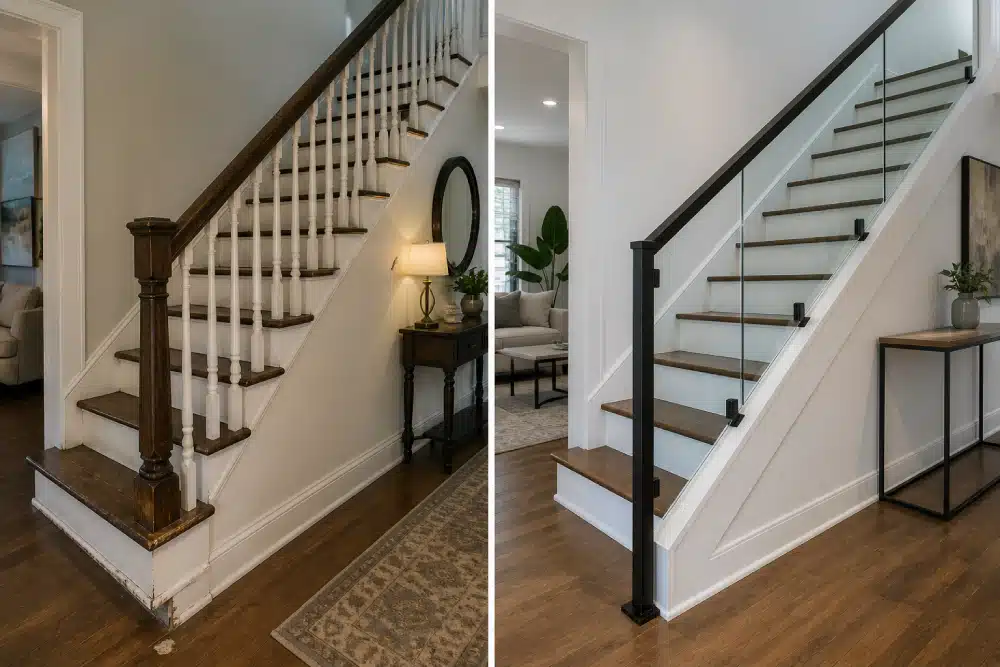
- Standard Stair Replacement: 2 to 5 days
- Custom Staircase Installation: 2 to 6 weeks (including design & fabrication)
- Complex Structural Projects: 4 to 10+ weeks
Keep in mind, these are general ranges. Every home and project is different.
What Affects Stair Installation Time?
So why such a wide range? Because stair installation isn’t a one size fits all process. Several key factors influence how long your project will take.
Type of Staircase
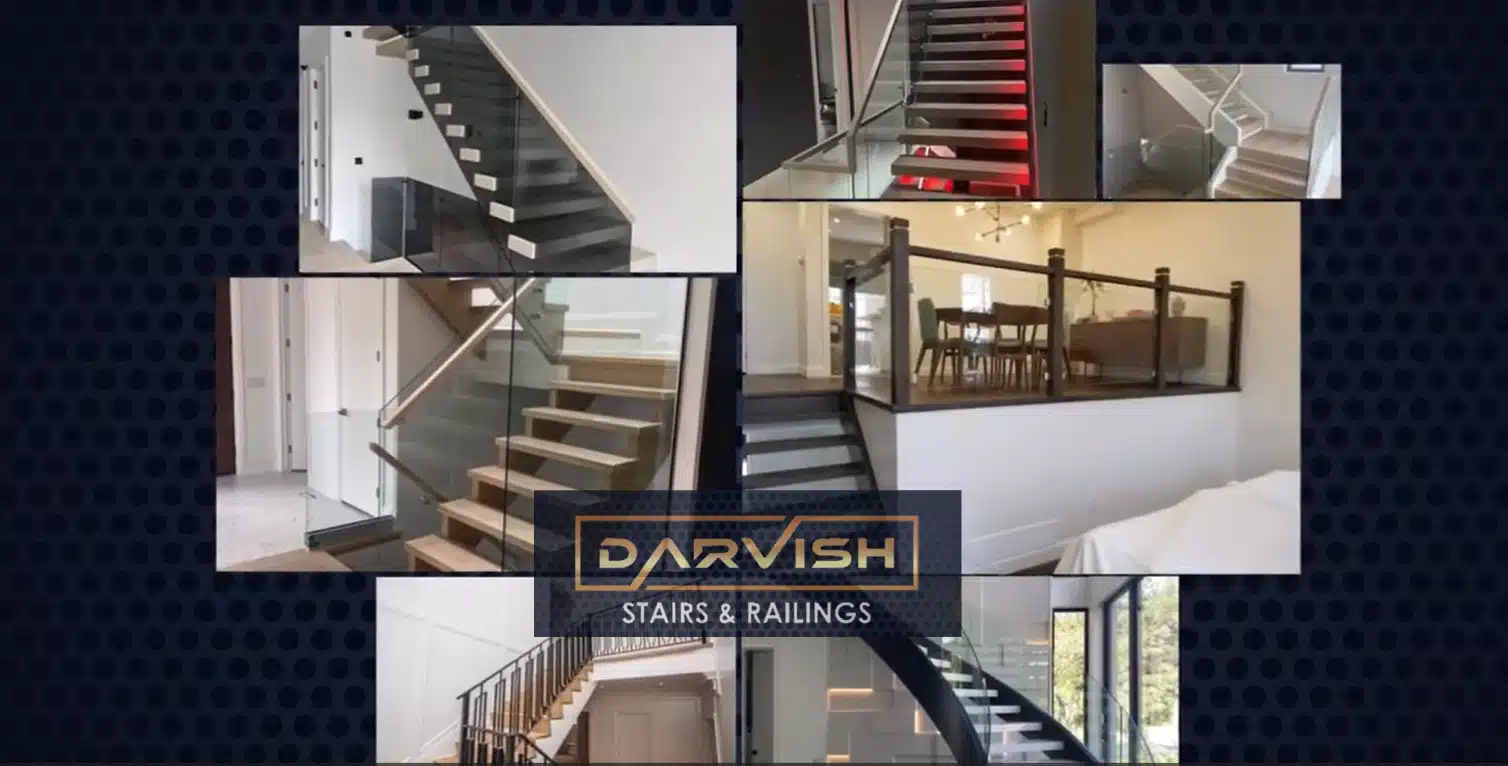
A simple straight staircase is much quicker to install than a curved or floating design. If you’re considering something more modern or architectural, like floating stairs, expect additional time for planning and precision.
Material Selection
Wood, metal, and glass all behave differently. Custom steel fabrication or glass railing systems take longer than standard wood components due to manufacturing and finishing processes.
Custom vs Pre built
Pre built components can speed things up. But if you’re investing in custom staircases, you’re adding design, fabrication, and finishing time. The result is worth it, but it does take longer.
Site Preparation
Is this a simple replacement or a full renovation? Removing old stairs, modifying framing, or reinforcing structural elements can extend the timeline.
Permits and Inspections
In cities like Toronto, permits and inspections may be required depending on the scope. This step alone can add days or even weeks if not planned properly.
Step by Step Stair Installation Timeline
Understanding the process makes the timeline feel a lot more predictable. Here’s what actually happens behind the scenes.
1. Consultation and Measurement
This is where everything starts. A contractor visits your home, takes measurements, and discusses your vision. This usually takes a day or two to schedule and complete.
2. Design and Approval
For custom projects, designs are created and refined. You might go through a few revisions before final approval. This stage can take anywhere from a few days to a couple of weeks.
3. Fabrication
This is often the longest phase. Your staircase components are built in a workshop, not on site. Precision matters here, especially for modern or high end designs.
4. Site Preparation
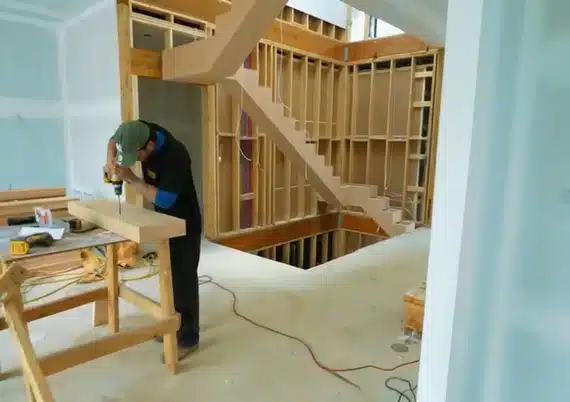
Old stairs are removed, and the area is prepped. Structural adjustments may happen here if needed.
5. Installation
The actual installation typically takes a few days. This includes installing the structure, treads, risers, and custom railings.
6. Finishing Touches
Sanding, staining, painting, and final adjustments bring everything together. This step ensures the final result looks polished and lasts for years.
Can Stair Installation Be Done Faster?
Short answer: sometimes, but not always.
When Fast Installation Is Possible
- Simple straight staircase designs
- Minimal structural changes
- Pre built components available
When You Should Not Rush
Let’s be real. Rushing a staircase project can lead to issues with safety, durability, and finish quality. A well built staircase should last for decades. Cutting corners to save a few days rarely pays off.
Common Delays in Stair Installation Projects
Even with good planning, delays can happen. Here are the most common ones.
- Design changes mid project: even small tweaks can impact fabrication
- Material availability: especially for custom or imported materials
- Unexpected structural issues: hidden problems behind walls or floors
- Weather conditions: for outdoor stair installations
Timeline by Property Type
The type of property also plays a role in how long installation takes.
Condo Renovations
Often slower due to building regulations, limited working hours, and elevator access.
Detached Homes
Typically more flexible, allowing faster progress depending on complexity.
Commercial Spaces
May require stricter safety standards and inspections, which can extend timelines.
How to Prepare Your Home Before Installation
Want to avoid unnecessary delays? Preparation makes a big difference.
- Clear access to the work area
- Protect nearby flooring and furniture
- Plan alternative access between floors
- Keep pets and children away from the site
These small steps can save time and prevent complications.
Why Choosing the Right Contractor Matters
Not all delays come from the project itself. Sometimes, they come from poor planning.
Working with an experienced team like Darvish Inc. means:
- Accurate timelines from the start
- Clear communication throughout the project
- Efficient scheduling and execution
And honestly, that’s what makes the biggest difference in how smooth your project feels.
Final Thoughts
So, how long does stair installation take? It depends. But now you know what actually goes into the timeline.
A simple project might be done in a few days, while a custom staircase could take several weeks. The key is understanding that quality, safety, and long term value matter more than speed.
If you’re planning a staircase upgrade, getting a realistic timeline early on can save you a lot of stress later.
FAQs
How long does it take to replace a staircase?
Most standard staircase replacements take between 2 to 5 days, depending on site conditions and complexity.
Can stairs be installed in one day?
In rare cases, yes. But only for very simple installations with pre built components.
What part of stair installation takes the longest?
Fabrication is usually the longest phase, especially for custom staircases.
Do custom stairs take longer than standard ones?
Yes, because they involve design, manufacturing, and detailed finishing work.
Can I use my stairs during installation?
In most cases, no. Temporary access solutions should be planned in advance.